Printed order in. Checked pull sheet out.
Catering software stops at the printer. We pick up there. The system reads the event order and fills the pull sheet, a lead checks it, and every crew gets the route to the room and the table setup on their phone.
- Works with the order you already print
- A person checks every sheet
- Nothing for the crew to install
Everything after the printer runs on handwriting and memory.
Event orders come out of the catering system on paper. What to pull, where the room is and how the table should look live in the heads of experienced crew. In a student crew, those people leave every year.
Writing one pull sheet by hand
A student reads the printed order and writes out plates, drip trays, linens and bus tubs. Then pulls it.
Rules nobody wrote down
12 guests for a cold lunch means 50 plates, 2 drip trays and 5 linens. New crew learn it by getting it wrong.
New crews get lost inside
Maps get you to the loading dock. Inside a big building, crews ask strangers for the room while the food cools.
One plan, from the printed order to the finished table.
We start where catering software stops. Keep the system you use today; every step below works from the order it already prints, so nothing gets retyped between sales, the kitchen and the crew.
The order is read, and the pull sheet fills itself.
A photo of the printed order, or the system's export. House rules turn it into a pull sheet. A lead checks every line, and each fix teaches the rules.
New crew find the room on the first try.
A photo route from the loading dock, recorded once by someone who knows the way. Freight elevator, the blue hallway, the door.
The table matches the standard.
Linen, chafers, Cambros and signs, placed in 3D and saved as the caterer's standard. Clients can keep it, ask for changes, or move things themselves. Food signs print from the order.
The client sees the photo before guests arrive.
Order, table, status and the setup photo in one page. No more emails asking whether the food is there yet.
Later: clients lay out the room themselves.
Once a caterer runs on us, their clients can lay out the room from the caterer's real tables and canopies, or describe it and let the AI draft it, then send it for approval. Event tools already do layouts; we connect the approved plan to the crew.
Both sides of the event, and the crew in between.
Client
- Lays out the room from real equipment
- Sees the order, the table and the status
- Gets the setup photo before guests arrive
Caterer
- Reads printed orders into pull sheets
- Checks sheets and keeps house rules current
- Saves routes, table standards and food signs once
Crew
- Pulls from a checked list on their phone
- Follows a photo route from the dock
- Sets the table to the picture and sends a photo
The caterer pays. The client and the crew use it without installing anything.
The paper gap was always there. Now it's cheap to close.
Software stops at the printer
Caterease, Total Party Planner and Tripleseat make the order. Cvent makes the room diagram. None of them carries the plan to the table and back as a photo.
Reading paper got easy
A phone can read a printed order in seconds, and a language model can turn messy lines into a pull sheet that a person checks.
Crews turn over constantly
Food service and hotel workers quit at 3.5% a month, about twice the US average. Whatever the crew knows walks out with them.
Where we start, then grow.
If every US caterer paid $100 to $300 a month per location. That's our estimate, and our price is still a guess we're testing. It grows with hotels, venues and every crew that works from an order.
Sources: US Census 2023 (NAICS 722320), vendor pricing pages. *NACUFS member count, third party.
Where each tool stops.
Each one covers a piece. Nobody carries one event from the order to the photo.
Competitor features from each company's own pages.
We work the shifts we're fixing.
Both of us work event shifts at a university caterer. Two University of Washington students who have built together since Bellevue College, with two hackathon projects shipped as a team.
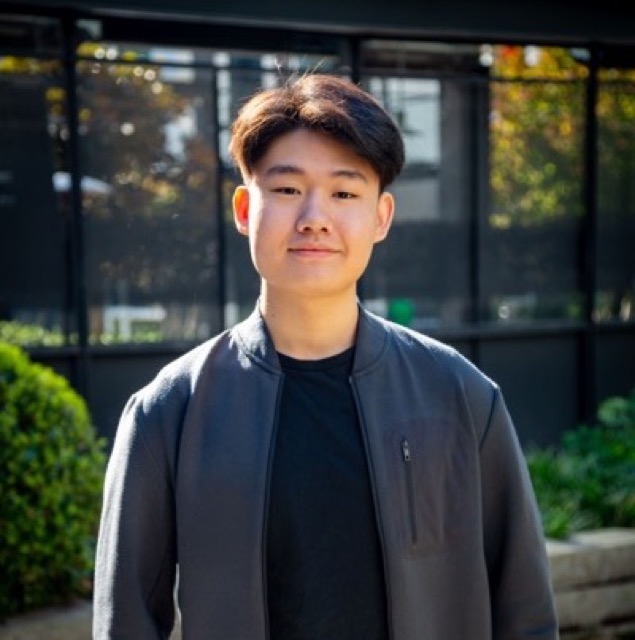
Joseph Davis Chamdani
- Works event setup shifts at a university caterer. He timed the numbers above.
- Built the ID card reading pipeline behind Stockbit's sign up, over 1M records.
- Shipped semantic search on a live AI platform at Whitespace.
- Won 1st place at the UW Claude Hackathon 2025.
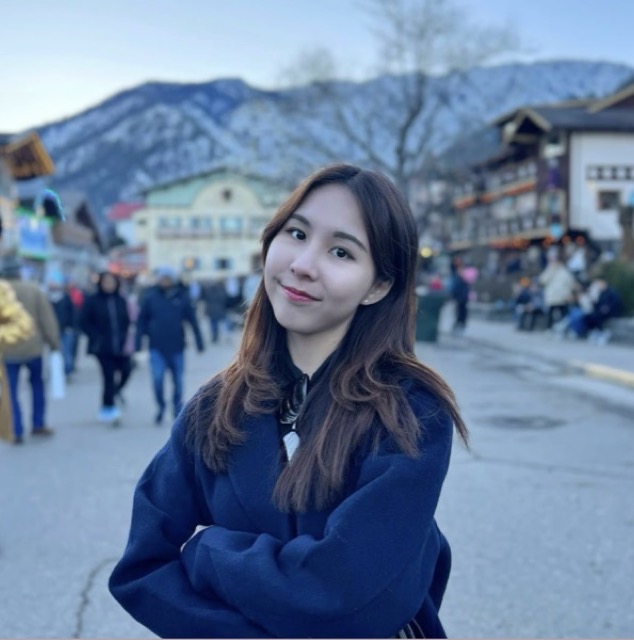
Juwita Jessica Pangestu
- Works event shifts at the same university caterer.
- Finance and Information Systems at UW Foster, Dean's List.
- Business Analyst Intern in product at Whitespace: competitor research and 20 product features prototyped.
- Treasurer of a $57,000 student fund. Helps run her family's hotel in Indonesia.
A working prototype. Not live yet.
It runs on sample data today. Next is a one month pilot with one caterer.
Client, caterer and crew sides, order reading and 3D tables.
Written down from real shifts, with the timings above.
Minutes lost and wrong setups, measured on real events.
One caterer, one month, every event through the system.
Want it in your kitchen?
We're getting ready for a first pilot with one caterer. Join the waitlist and we'll write when Cateroute is ready for kitchens like yours. Or try the demo now. It runs in your browser with sample data.